
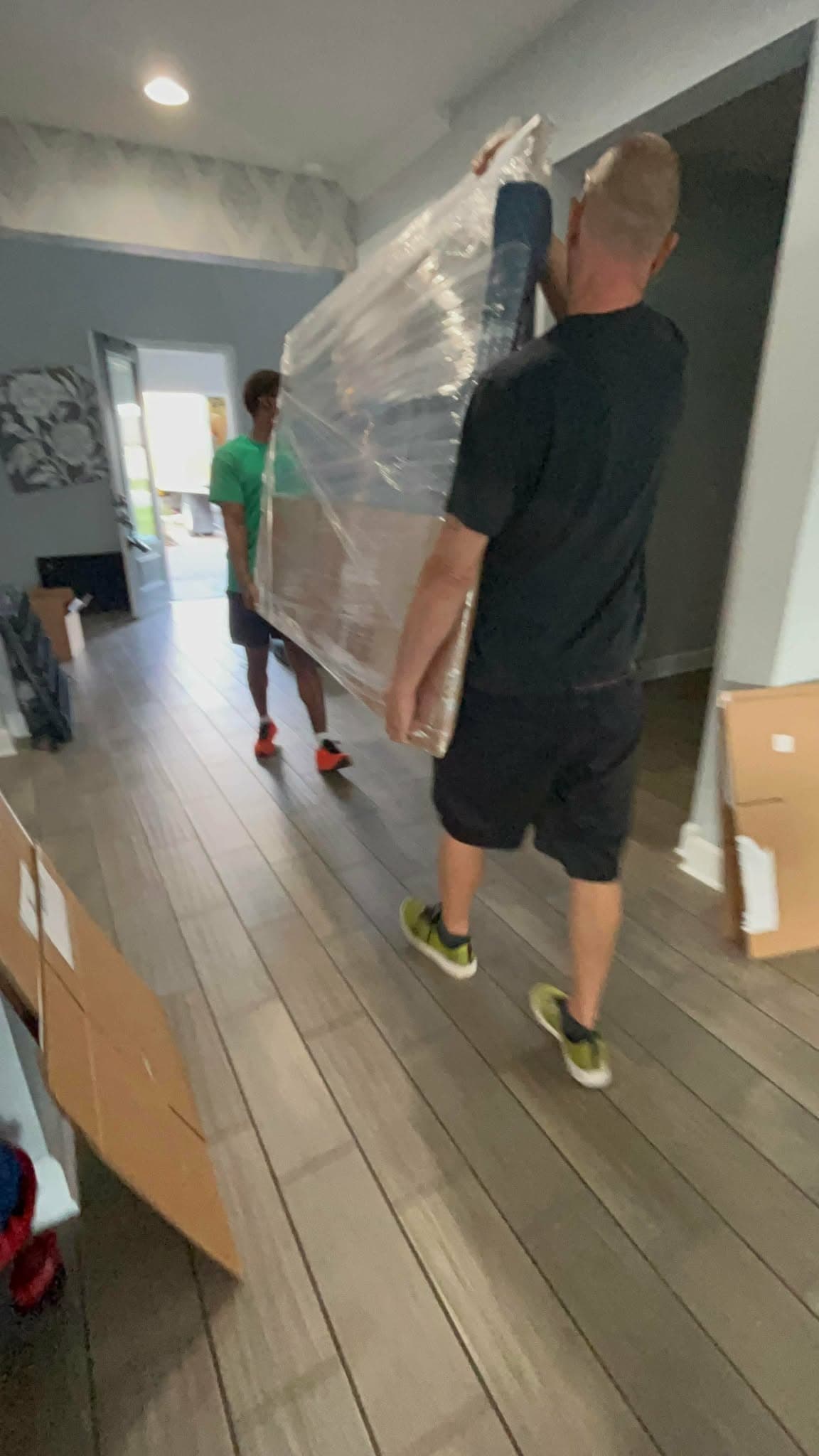

Summer is peak moving season in Central Florida, and it's also the trickiest time to pull one off. Leases turn over in June and July, families relocate before the school year, and every reputable moving company in Orlando fills its calendar fast. Add afternoon thunderstorms, 95-degree heat, and an active hurricane calendar, and a summer move becomes a logistics puzzle. Choosing the right crew makes the difference between a smooth day and an expensive headache. Summer 2026 brings its own wrinkles, from an active storm season to booked-solid calendars. Below, you'll find exactly what to look for before you book, so you hire a mover you can trust and skip the rest.
Why summer moves in Orlando play by different rules
Heat is the first thing that changes your move. By mid-morning in July, Orlando routinely pushes past 90 degrees, and crews slow down for water breaks and safety. Furniture sweats, boxes get heavy, and pets and kids wilt. A mover who plans around the heat starts early, hydrates the team, and protects your electronics from a hot truck. Ask how they handle triple-digit heat index days before you sign.
Storms come next. Central Florida sits in a daily summer pattern where clear mornings turn to downpours by 3 p.m. Smart movers front-load the day, wrap everything in plastic, and keep a truck ramp from turning into a slip hazard. Rain doesn't have to delay you if your crew prepares for it.
Then there's hurricane season. NOAA's 2026 Atlantic hurricane season runs June 1 through November 30. Forecasters call for a below-normal year: 8 to 14 named storms and 3 to 6 hurricanes. Below-normal is not zero. As NOAA's National Weather Service director Ken Graham put it, it only takes one storm to make a bad season. Watch the tropics during your move window, keep your dates flexible, and ask your mover about their storm policy. A local crew that tracks Florida weather will reschedule around a warning without drama.
Demand spikes in summer too. The best moving companies in Orlando book out weeks ahead once June hits, and the top-rated local crews go first. Waiting until the last minute in peak season means slim pickings, higher rates, or a rushed operator you didn't vet. Reserve early, and you get your pick of dates and better pricing.
License, insurance, and proof you can actually check
Every legitimate moving company in Orlando carries two things: proper licensing and real insurance. Skip either, and you're gambling with your belongings. Here's how to verify both in about five minutes, before a single box leaves your house.
Florida requires every intrastate mover to register with the Florida Department of Agriculture and Consumer Services. Registered movers carry an IM number. Look up any company on the FDACS business search, and confirm the license is active and in good standing. Liberty Moves Orlando, for example, operates under FLDACS IM3347. No IM number on file usually means an unlicensed operator, so walk away.
For moves that cross state lines, the U.S. Department of Transportation assigns a USDOT number. Verify it on the FMCSA SAFER company snapshot, where you can see a carrier's authority, insurance on file, and safety record. Liberty Moves Orlando holds USDOT 3455436. A quick lookup tells you whether a long-distance mover is the real deal or a broker hiding behind someone else's paperwork.
Insurance deserves a closer look than most people give it. Basic released-value coverage pays about 60 cents per pound, which barely covers a dropped TV. Ask whether the mover carries full cargo and liability coverage, and weigh full-value protection for a long haul. A company that explains the difference without dodging is one worth trusting.
FMCSA's Protect Your Move portal explains your rights, flags common scams, and links straight to the lookup tools. Bookmark it before you start calling movers. A ten-minute read there can save you thousands.
Red flags that separate real movers from rogue operators
Some warning signs show up before you ever book. Catch them early, and you dodge the horror stories that fill Google reviews every summer.
A cash-only demand is the loudest alarm. Reputable movers take cards and give receipts. Refusal to put anything in writing runs a close second, because a real company stands behind a written estimate. Watch for a mover with no local address, no working landline, and a name that changed three times last year. Lowball phone quotes are another trap. A price far below everyone else usually balloons on move day, once your things ride in the truck.
Brokers deserve special caution. A broker sells your job to whichever carrier bids lowest, then disappears, so you never know who actually shows up. Ask one direct question: are you the company that will load my truck, or are you selling my move to someone else? An honest answer tells you plenty. You can also check a company's complaint history on its BBB profile. Patterns of damage claims and billing disputes are hard to hide there.
Read the reviews like a pro
Star ratings tell you less than the words underneath them. Sort a company's Google reviews by newest, and read the one-star and three-star notes first, since that's where damage, delays, and billing surprises surface. Look for a mover that responds to criticism like a grown-up, owns mistakes, and makes them right. Volume matters as well: a 4.9 from 12 reviews carries less weight than a 4.8 from 300. Consistency across a long track record beats a short burst of five-star praise.
Get it in writing: what a real quote looks like
Price confusion causes most moving disputes, and summer's demand surge makes it worse. Trustworthy Orlando moving companies quote in writing, itemize the charges, and explain exactly what changes the total.
Two quote types exist, and the difference matters. A binding quote locks your price up front; barring changes you request, that number is what you pay. Non-binding estimates can climb, sometimes steeply, once the crew arrives. Always ask which one you're getting, and favor a binding, written number. Flat-rate pricing means the same thing done right: one agreed total with no surprise fees for stairs, fuel, or long carries.
Before you sign, get the details in writing. Liberty Moves Orlando publishes a full Orlando moving cost guide and a live cost calculator. Use them to sanity-check any quote you receive. Compare line by line. Watch the deposit, too. A small, refundable hold is normal; a demand for a big cash deposit up front is not.
Match the mover to your move
Not every move is the same, and the best moving companies in Orlando staff and price accordingly. Know your move type before you call, and you'll get a sharper quote and a better-fit crew.
A standard home move is bread and butter for any good crew. For houses, condos, and apartments, look for a mover with real residential moving experience and enough hands for your square footage. Office and retail relocations are a different animal. Business moves reward crews who work nights and weekends, so your company keeps running. Dedicated commercial moving teams earn their keep here.
Leaving Florida entirely raises the stakes. Long-distance moves reward one dedicated truck and the same crew from load to delivery, with no warehouse transfers where things vanish. Confirm your long-distance moving carrier drives your shipment directly, and verify that USDOT number while you're at it. Packing is its own skill, too. Professional packing services protect fragile items and shift liability to the mover, which matters when a box of dishes rides three hours down I-4.
Specialty items need specialty hands. Pianos, safes, gym gear, and antiques call for the right dollies, straps, and know-how, so ask about professional piano movers and heavy-item experience before move day. One wrong lift can total a $5,000 upright.
Summer adds one more wrinkle: timing. Leases and closings can collapse into a single week, so same-day and last-minute movers become a lifeline when plans shift with two days' notice. Book a company that offers emergency slots, and a blown timeline won't sink your move.
Local knowledge you can't fake
Orlando moving companies that know the ground save you time and money. A crew that has worked your neighborhood already knows the gate codes, the tight turns, and the HOA rules that trip up outsiders.
Downtown high-rises mean elevator reservations and loading-dock windows. Winter Park brick streets and mature oaks call for careful truck placement. Newer communities like Lake Nona come with their own move-in procedures and COI requirements. A mover with neighborhood-specific pages for areas like Winter Park and Lake Nona has clearly done the homework. Local pages beat generic ads in your zip code.
How to book smart for a Summer 2026 move
Booking strategy separates a calm move from a chaotic one. Follow a simple sequence, and you'll lock in the right crew at the right price.
- Book four to six weeks out for June and July dates, since top Orlando moving companies fill their peak-season calendars first.
- Schedule your load for early morning to beat both the afternoon heat and the daily summer thunderstorms across Central Florida.
- Keep your moving dates flexible during hurricane season, and confirm your mover's reschedule policy before you put down a deposit.
- Request a written, binding quote and read every line, so stairs, fuel, and long carries never turn into surprise charges later.
- Verify licensing and insurance yourself using the FDACS and FMCSA lookup tools before you hand over any money.
Nail the fundamentals, and summer stops working against you. A reputable, licensed moving company in Orlando with a binding quote turns Florida's toughest moving season into an ordinary Tuesday.
Orlando moving FAQ
How far ahead should I book movers for a summer move in Orlando?
Aim for four to six weeks of lead time for June through August, since Orlando moving companies book out fast in peak season. Flexible dates and an early call get you better rates and your pick of crews.
Are cheaper movers ever worth the risk?
Cheaper can work when the low price comes from efficiency, not corner-cutting. A lowball quote paired with cash-only demands or no license usually costs more once hidden fees appear. Vet the company first, then weigh the price.
What paperwork should a legitimate mover provide?
Expect a written estimate, a bill of lading, and proof of licensing and insurance on request. A mover who hesitates to share any of these has told you what you need to know.
Do I need to be home during the move?
Plan to be on-site at both ends, or send someone you trust with a key and a phone. A quick walkthrough at pickup and delivery catches issues early and keeps the crew moving.
What won't movers take?
Most crews can't haul hazardous items like propane tanks, paint, or ammunition, and many skip live plants on long hauls. Empty the mower, clear out chemicals, and ask for the no-load list before the truck arrives.
Does hurricane season really affect a summer move?
Storm risk runs June through November, so a smart crew keeps your dates flexible and watches the forecast. Ask about the reschedule policy up front, and a passing storm becomes a minor detour, not a crisis.
Ready to book your Orlando move?
Summer in Central Florida rewards the prepared. Verify the license, insist on a binding quote, and pick a crew that knows your neighborhood and your weather. Do that, and you've already found one of the best moving companies in Orlando for the job.
Liberty Moves Orlando checks every box: licensed, insured, family-run, and flat-rate, with careful crews and neighborhood know-how across Central Florida. Request a free quote today, and lock in your summer date before the calendar fills.