
Moving across town and moving across the country share a name and little else. Every summer, Orlando families book a long haul like a local move. Then the rules, costs, and timelines hit. Interstate moving runs on federal law, weight-based pricing, and delivery windows that catch first-timers off guard. Knowing the traps early saves money, protects your stuff, and keeps moving day calm. Below are the mistakes Florida families make on a long-distance move. Even better, here is how the best long-distance movers in Orlando help you dodge each one.
Mistake 1: treating an interstate move like a local one
Local moves run on hours and muscle. A cross-country move runs on weight, mileage, and paperwork. Change the distance, and the whole playbook changes with it. Federal rules from the FMCSA govern any move across state lines. Estimates, timelines, and your rights all shift as a result. Assume the local formula, and the surprises pile up fast.
Pricing is the first shock. Long-distance carriers charge by two things: the weight of your shipment and the miles it travels. Forget the flat local rate or the hourly crew. Add packing, fuel, and any specialty handling on top. Suddenly the number looks nothing like a cross-town quote. A three-bedroom home can run several thousand pounds, and every pound and every mile shows up on the bill. Ask whether the carrier weighs the loaded truck on a certified scale, and whether you can watch the weigh-in. Honest weight is the backbone of an honest interstate bill. Our Orlando moving cost guide and instant quote calculator help you sanity-check an interstate estimate before you commit.
Mistake 2: hiring a broker and assuming it is a mover
Here is the big one, the mistake behind most long-distance horror stories. Many moving companies in Florida advertise interstate service, and plenty are brokers rather than carriers. Brokers and carriers are worlds apart. One signs a contract and drives your goods across the country; the other places a call and pockets a cut. When something goes wrong, the broker points at the carrier, and the carrier points at the broker. You land in the middle.
A broker sells your move to a third-party carrier, then steps back. Carriers own the truck, hire the crew, and answer for your shipment door to door. Brokers can hand your job to whoever bids lowest. Families then end up with a no-name crew and nobody accountable. Federal law even makes a broker disclose its status and MC number in ads. Honesty here is not optional.
Protect yourself with two questions and one lookup. Ask flat out: are you a broker, or the carrier that will drive my goods? Verify the answer on the FMCSA SAFER company snapshot. Read up on the difference at Protect Your Move. Scan the company's Better Business Bureau profile for a pattern of interstate complaints. Reputable interstate movers in Orlando, FL own their trucks and say so without blinking. Brokers dodge the question or bury the answer in fine print.
Mistake 3: trusting a phone quote without a real survey
A number over the phone is a guess, not an estimate. Federal rules are clear here. Interstate movers must put estimates in writing. A real estimate follows a survey of your stuff, not a hunch. Guessing high protects the mover; guessing low traps you on move day.
A physical survey works on-site or by video. Either way, the mover sees what actually ships. Skip the survey, and your quote rests on guesswork that balloons on move day. Insist on a walkthrough before anyone quotes a price you can trust.
Learn the three estimate types before you sign. A binding estimate locks your price up front. Better still, a binding-not-to-exceed estimate means you pay the estimate or the actual cost, whichever is lower. Non-binding estimates can change. Even so, federal law caps the damage: your mover cannot demand more than 110 percent of a non-binding estimate to release your goods. Read the FMCSA Your Rights and Responsibilities When You Move booklet for the fine print. Then favor a binding, written number every time. Never sign a blank or incomplete estimate. Real figures belong on the page before your signature does.
Mistake 4: misreading how delivery actually works
A cross-country delivery rarely lands on one promised day. Interstate carriers quote a delivery window instead. Think a spread of days, not a single date. One truck often serves several families along a route, which is why the window exists.
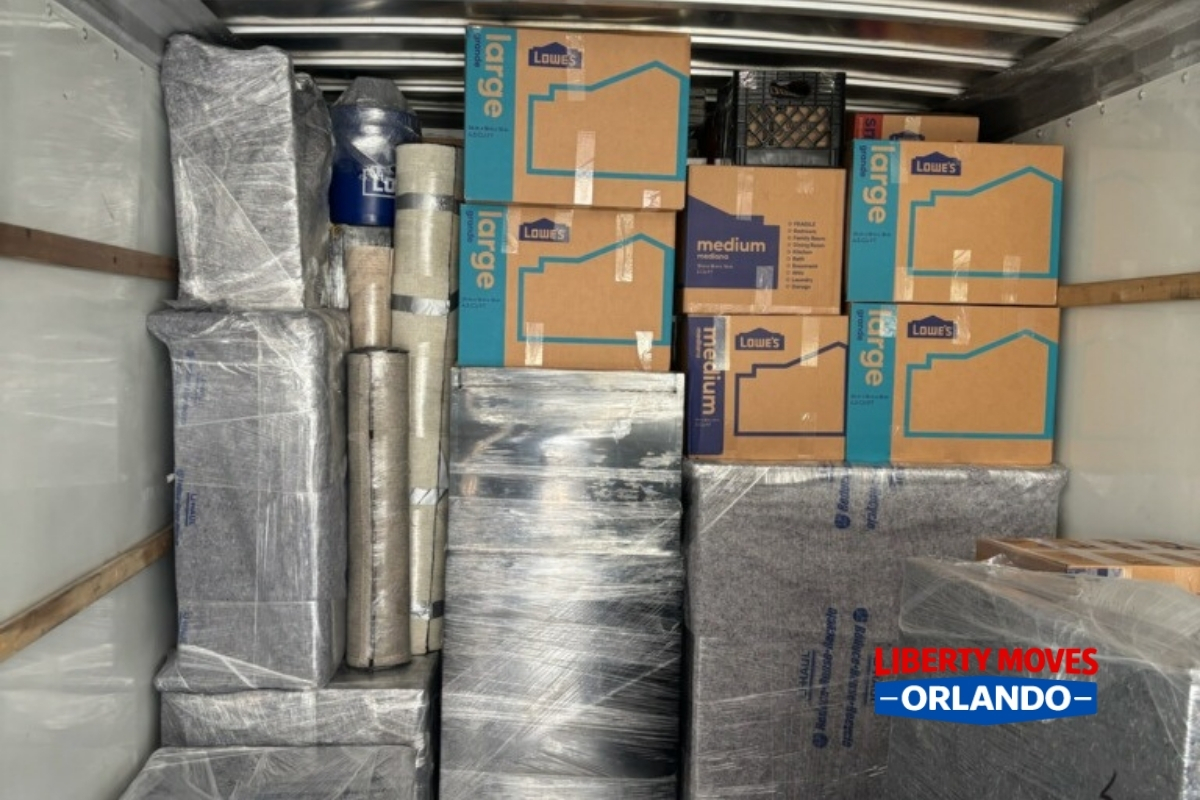
Shared trailer space keeps costs down. Sharing also means your boxes may ride alongside other shipments. Your things can transfer between trucks or warehouses along the way. Every extra handoff adds a little risk. A carrier that keeps your goods on one dedicated truck is worth asking about. Plan for the window, pack a bag of essentials, and skip the night on the floor waiting for a truck.
Storage often bridges the gap between move-out and move-in dates. Is your new place not ready yet? A mover that offers storage-in-transit holds your things securely, so you skip the scramble. Ask for the earliest and latest likely dates, then build your plans around the later one. Get the delivery spread in writing on the paperwork, not just as a friendly promise on the phone. Written dates give you something to hold the carrier to.
Mistake 5: skipping real coverage on a cross-country haul
Basic protection sounds fine until something breaks 1,200 miles from home. Released-value coverage comes free. One catch stings, though: it pays only about 60 cents per pound. A shattered 40-pound TV nets you around 24 dollars, not a replacement.
Full-value protection costs more, yet it covers repair or replacement. Paying up makes sense when your whole household crosses the country. More miles and more handoffs mean more chances for a scratch or a break. Weigh the upgrade seriously. List your high-value items, and photograph anything fragile before it rides the truck. Photos and a written inventory make any later claim far easier to win. Know the claim clock, too. On an interstate move you generally have up to nine months to file a written claim, and the carrier must acknowledge it within 30 days. Documenting damage at delivery starts that process on the right foot.
Specialty pieces deserve extra thought. A piano, antiques, or a gun safe demand the right crew and crating for a long haul. Ask about professional piano movers and heavy-item experience up front. Good packing matters even more over distance. A single box may travel 2,000 miles instead of two, which is why professional packing services pay for themselves.
Mistake 6: booking late and packing in a rush
Long-distance moves reward planners. Peak season and tight truck space fill interstate calendars early. A last-minute call usually means fewer options and higher rates. Two to four weeks of lead time is a fair target for most interstate moves, and summer books up even faster.
Get on a carrier's calendar as early as you can. Book early, and you lock in better dates and better pricing. You also get time to vet the carrier properly. Rushed decisions are exactly what shady operators count on. Slow down enough to check a license, and you screen out the worst of them.
Packing carries higher stakes on a long haul, too. A dish that survives a cross-town trip can shatter over a thousand bumpy miles and two transfers. Start early. Label every box by room. Lean on a solid home moving crew that packs for the distance.
How to move long-distance from Orlando the right way
Dodge every trap above with a short, repeatable plan. Run through this list before you sign anything. Reputable moving companies in Florida build these steps into every interstate job by default.
- Confirm the company is a licensed carrier with active FMCSA registration and a USDOT number, not a broker reselling your job.
- Insist on a written, binding estimate that follows an on-site or video survey of everything you plan to ship.
- Read the FMCSA rights booklet so the 110 percent rule, delivery windows, and claims process hold no surprises later.
- Ask whether your shipment rides one dedicated truck or shares space, and how many transfers it makes along the way.
- Weigh full-value protection over the free released-value default, and inventory your high-value items with dated photos before pickup.
- Book several weeks ahead, and choose a local crew that knows Central Florida and answers for the move from door to door.
Nail those six, and a long-distance move stops feeling like a gamble. Curious how a licensed, family-run carrier handles interstate moves? Our long-distance moving page walks through the whole process. Want the trust side? See the reasons families choose us.
Long-distance moving FAQ
Quick answers to the questions Orlando families ask most about interstate moves. For the full list, see our moving FAQ.
How is a long-distance move priced?
Interstate carriers base the cost on two things: your shipment's weight and the distance traveled. Packing, fuel, and specialty handling add to it. A binding estimate after a real survey gives you the most reliable number to plan around.
How long will delivery take?
Cross-country delivery usually arrives within a window of several days, not on one fixed date. Ask your carrier for the spread up front. Pack a bag of essentials so a day or two of waiting never derails you. Longer routes and shared trucks widen the window, so ask for a realistic range, not a best case.
What is the difference between a moving broker and a carrier?
A carrier owns the trucks and crews and handles your shipment directly. Brokers only arrange the move, then hand it off to someone else. Confirming carrier status protects you from most interstate scams.
Do I need extra moving insurance for an interstate move?
Released-value coverage comes standard, but it pays only about 60 cents per pound. Full-value protection costs more and covers repair or replacement. Consider the upgrade when your whole home travels across the country.
How far in advance should I book a long-distance move?
Aim for several weeks of lead time, and more during summer. Summer is the busiest stretch for interstate moves. Early booking locks in better dates, fairer pricing, and time to vet the carrier.
Can I track my shipment on a long-distance move?
Many carriers offer a phone number, a portal, or text updates on your shipment's status. Ask how they keep you posted before you book, so you never sit in the dark on the road.
How do I verify a moving company for an interstate move?
Check the company's USDOT number and complaint history on the FMCSA database. Confirm its Florida registration through the FDACS. A clean record plus true carrier status is exactly what you want to see. Search the FMCSA site by company name, USDOT number, or MC number to pull registration and complaint history in one place.
Move from Orlando with confidence
An interstate move is a big deal, yet the mistakes above are all avoidable. Verify the carrier. Get a binding written estimate. Plan for the delivery window. Protect what matters most.
Liberty Moves Orlando runs interstate moves as a licensed carrier, never a broker. Think USDOT 3455436, family-owned, flat-rate, and accountable from your Orlando driveway to the new front door. Among long-distance movers in Orlando, that transparency is the whole point. Honest interstate movers in Orlando, FL earn trust one accountable move at a time. You will know who loads the truck, who drives it, and who to call at every mile. Get a free, no-pressure quote today, and start your move out of Florida on solid ground.