Scratched floors. A gouged dresser. Shattered glasses at the bottom of the box. Moving damage feels like bad luck, but it rarely is. Most of it traces back to how a crew works, not to some freak accident. Crews cut corners, and your belongings pay the price. Plenty of Orlando movers rush the job, skimp on padding, and hand your furniture to untrained day labor. A careful company does the opposite, on purpose. Here is why damage happens so often, and how to spot a mover that guards your stuff like their own.
Damage is a process failure, not bad luck
Careful moving is a skill, and skilled crews make it look easy. Sloppy crews leave a trail of dents. Most damage starts long before the truck pulls away, in the habits a company allows every day. Cheap movers save money by cutting the very things that protect your stuff. Blankets, straps, and training all cost money, so the lowest bidder often skips them. You cannot see any of that in a quote. A rock-bottom price looks great on paper, right up until the crew drags your dresser across the hall.
Several root causes show up again and again:
- Untrained day laborers handle your furniture with no real technique, so they twist, drag, and drop heavy pieces.
- Rushed schedules push crews to cram too many jobs into one day, and speed always wins over care.
- Skimpy padding leaves wood, glass, and screens exposed, since blankets and shrink wrap cost money the cheap movers save.
- Missing equipment means no dollies, straps, or floor runners, so corners, walls, and hardwood take the punishment.
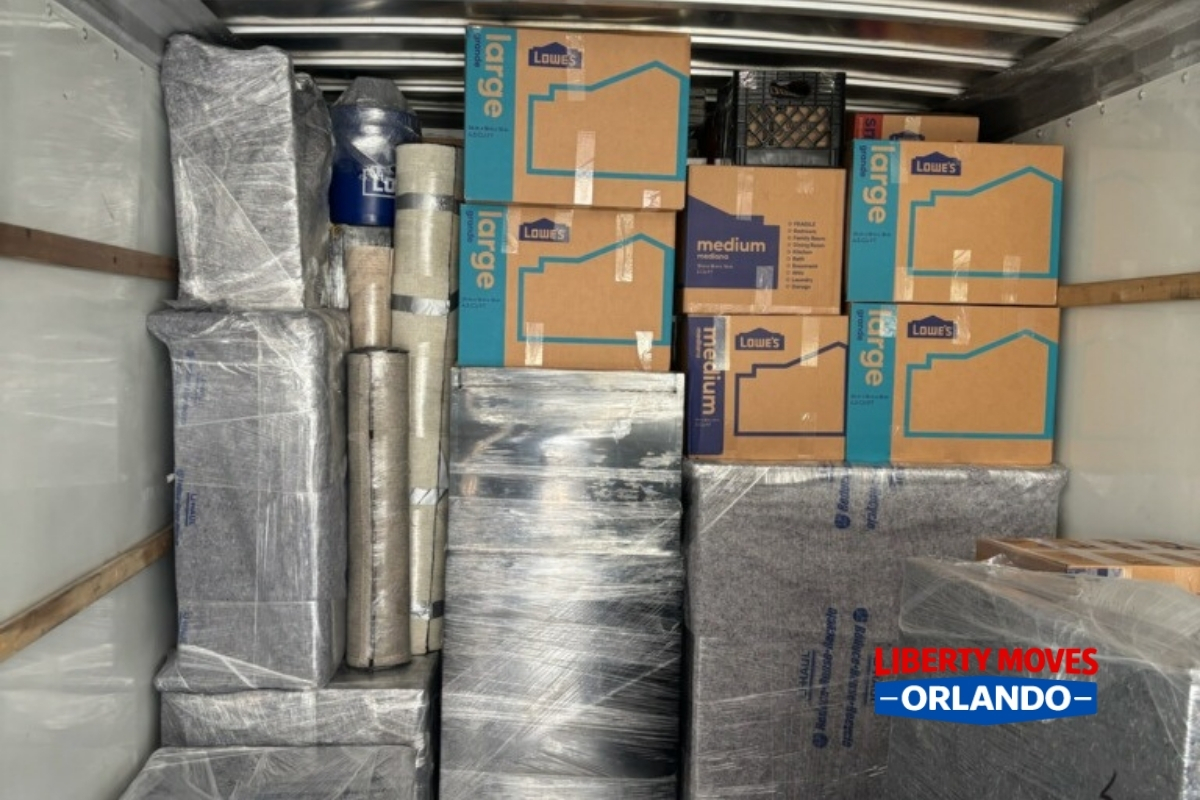
- Careless loading stacks boxes wrong and lets furniture shift, and a shifting load turns every pothole into a crash.
- No inventory or condition check means nobody tracks what came in whole, so damage slips by with zero accountability.
Notice the pattern? Every cause traces to a business choice, not to fate. A company that invests in training, materials, and time protects your things by default. One that races the clock cannot. Most moving companies in Orlando, FL sit somewhere in between, so the details decide it. Your job is to tell the careful crews from the cutters before you book, not after. Luckily, the signs are easy to read once you know them.
Where damage actually happens
Damage clusters in a few predictable spots. Know the danger zones, and you know what to watch for on move day. Watch these areas, and a rushed crew has nowhere to hide.
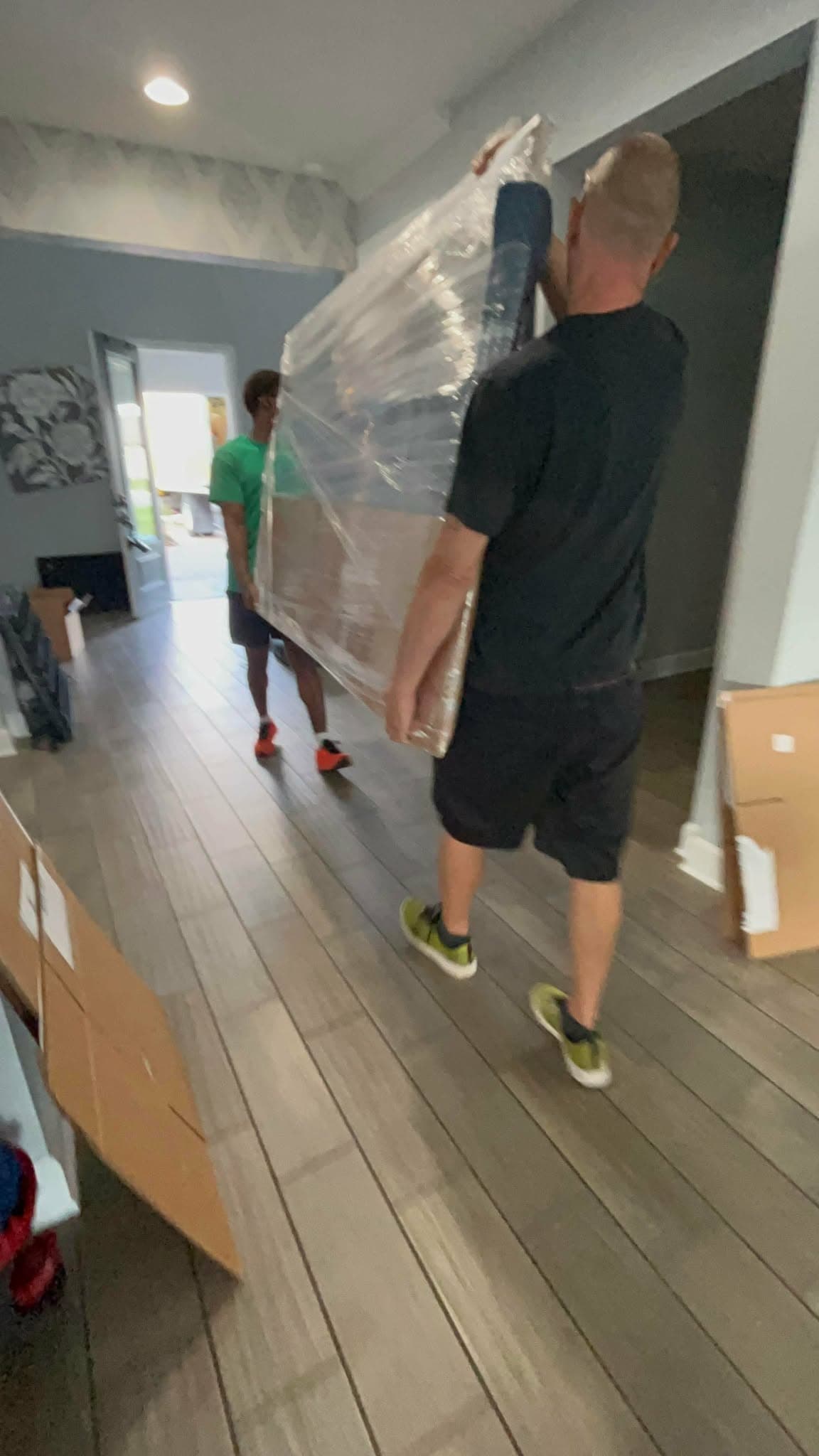
Doorways and corners take the first hits, as crews pivot heavy furniture through tight gaps. Staircases and elevators raise the stakes, especially in apartments and condos with sharp turns and narrow landings. Hardwood and tile floors scratch fast when someone drags a dresser instead of lifting it. Walls lose corners to a swinging headboard or a rushed dolly run. Unwrapped mattresses and sofas pick up dirt and tears on the same trip. Loose drawers and cabinet doors swing open mid-carry and snap off at the hinge.
Trucks add a hazard all their own. Poor loading lets a wardrobe lean into a mirror for twenty miles of highway. Fragile and oddly shaped items suffer most: flat-screen TVs, framed art, lamps, and glass tabletops crack when nobody crates or cushions them. Heavy specialty pieces carry real risk, so a piano needs a crew that moves weight for a living. Florida heat adds one more twist, since a stuffy truck can warp candles, records, and anything else that hates a long, hot ride. Damage does not stop at the old place, either. Tight doorways and fresh paint at the new home take just as many hits during the carry in.
What a careful mover does differently
Careful movers cost a little more, and the difference shows up in one-piece deliveries. Their methods come down to discipline, not luck. Good moving companies in Orlando, FL run this playbook every day. Skill, not speed, is what keeps your things whole.
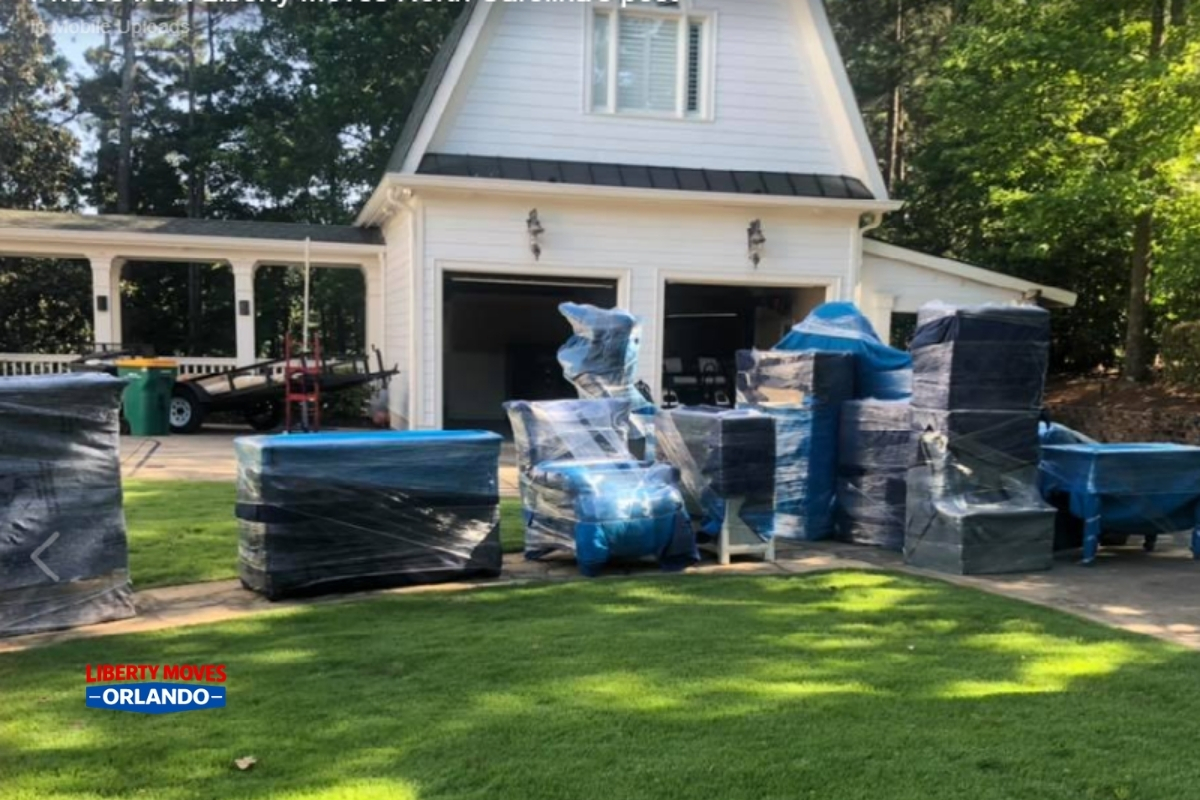
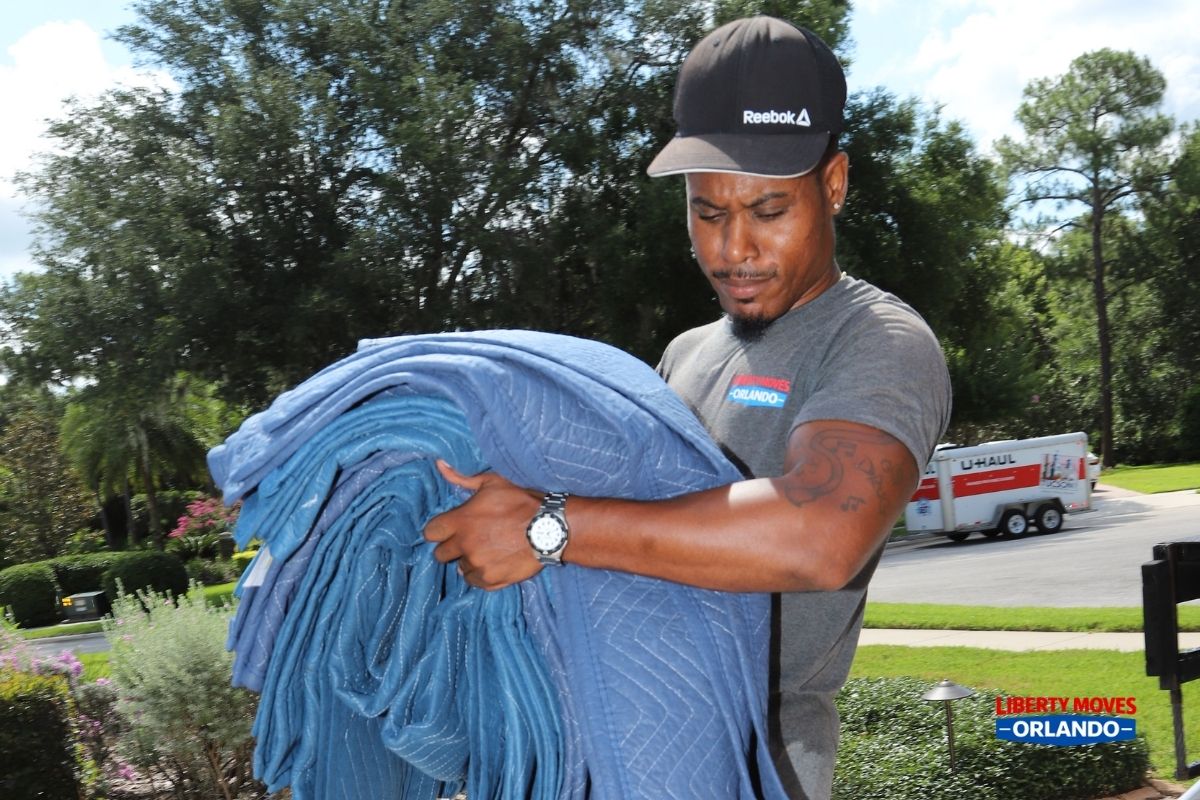
Trained crews make the biggest difference. A company that hires and trains its own movers, instead of grabbing day labor, builds real technique into every lift. Good padding comes standard, so blankets, shrink wrap, and mattress bags wrap anything that scratches or tears. Proper equipment shows up on the truck, from dollies and straps to floor runners and door jamb pads. Corner guards and banister pads round out the kit on a tight staircase. A crew that has moved thousands of Orlando homes already knows the tight spots in local buildings and HOAs.
Technique matters just as much as gear. A careful crew disassembles big furniture, wraps each part, and reassembles it at the new place. Mirrors come off dressers, and bed frames break down instead of scraping through a doorway whole. Loading follows a plan, with heavy items low and tight, and fragile boxes on top. A quick shrink-wrap locks drawers shut, and straps pin the load to the truck wall. Full-service packing protects your most breakable things, since a pro packs a kitchen far better than a rushed weekend ever could.
Accountability ties it together. Our home moving crews document condition, note anything already worn, and answer for every item from pickup to drop-off. We protect the new home too, laying floor runners and padding doorways before the first box comes in. A walkthrough at both ends catches issues while the crew is still there to fix them. Careful handling is a big part of why families choose us, and it is what sets the best movers in Orlando apart.
Protect yourself before you sign
You cannot watch every lift, but you can screen for care before move day. Not all Orlando movers work the same way, and the gap shows in the details. A few pointed questions separate the pros from the wreckers. Careful outfits answer them happily, because their whole model runs on getting your things there whole.
Ask who actually shows up. Employees the company trains beat day laborers hired that morning, every time. Ask what protection comes standard, from blankets and shrink wrap to floor and doorway guards. Read reviews with damage in mind, and look for repeat mentions of careful, tidy, and nothing broken. Photos help too, so browse a company's gallery of real moves for signs of proper padding and equipment. Ask how they protect floors and doorways, and listen for a specific answer about runners, pads, and guards. A vague reply usually means none of it rides on the truck.
Verify the boring stuff, because a licensed, insured mover has real coverage behind it. Confirm the company's license and insurance through the FDACS and the FMCSA SAFER company snapshot. Scan the Better Business Bureau for a pattern of damage complaints, too. Read up on your protections at Protect Your Move before anyone loads a box. Ask the company to list materials and protection right on the estimate, so nothing turns optional on move day. A careful mover welcomes every question; a sloppy one gets cagey fast.
Delicate moves demand even more care. Older adults downsizing a lifetime of belongings deserve extra patience, which is why specialized senior moving help pays off. A grandmother's china deserves the same care a careful crew gives its own, and the best movers in Orlando deliver exactly that.
Coverage, claims, and broken items
Even great movers have an off day, so coverage matters. Know your options before you sign, not after something cracks. A few minutes on coverage now saves a painful surprise later.
Released-value protection comes free, but it pays only about 60 cents per pound. A shattered 50-pound TV nets you around 30 dollars under that plan, nowhere near a replacement. Full-value protection costs more and covers repair or replacement of a damaged item. For anything valuable crossing town, the upgrade earns its keep. Weigh it against what a real replacement would cost you out of pocket. Third-party moving insurance is another route when your belongings outrun the mover's basic coverage. Keep receipts or photos of high-value pieces, since a claim goes smoother with proof of worth.
Documentation wins claims. Note any damage on the inventory before the crew leaves, and back it up with photos. File a written claim promptly, and keep your paperwork together. On an interstate move, you generally have up to nine months to file, and the carrier must acknowledge your claim within 30 days. Most carriers then have 120 days to resolve it. Read the FMCSA Your Rights and Responsibilities When You Move booklet so the process holds no surprises.
Orlando moving damage FAQ
Quick answers to the damage questions Orlando families ask most. Browse our full moving FAQ for the rest.
Why do movers damage furniture?
Most furniture damage comes from rushing, poor padding, and untrained crews, not from bad luck. A company that trains its people and pads every piece prevents the vast majority of it. Speed is the enemy of a scratch-free move.
How can I tell if a moving company is careful?
Look for trained employees over day labor, standard padding and equipment, and reviews that praise careful handling. A quick look at photos of their real moves tells you a lot before you ever book. Careful companies answer materials-and-technique questions without dodging.
Does moving insurance cover broken items?
Basic released-value coverage pays only about 60 cents per pound, which rarely replaces anything. Full-value protection covers repair or replacement, so ask about it whenever your belongings are worth protecting.
What is the difference between released value and full value protection?
Released value is the free default and pays by weight, about 60 cents per pound. Full value costs extra and pays to repair or replace a damaged item at its actual worth. For valuable loads, full value is usually money well spent.
Should I pack fragile items myself or hire the movers?
Professional packers protect fragile items far better than a last-minute DIY job, since they use the right boxes and cushioning. Pack sentimental irreplaceables yourself, though, and keep them with you on move day.
What should I do if the movers damage my belongings?
Note the damage on the paperwork before the crew leaves, photograph it, and file a written claim right away. A licensed, insured company has a real claims process, which is exactly why licensing matters.
What if the movers damage my walls or floors, not just my furniture?
Damage to your home counts too, so note it on the paperwork and photograph it before the crew leaves. A licensed, insured mover carries liability coverage for property damage, which is one more reason to skip the unlicensed cheap option.
Are cheaper movers more likely to damage things?
Rock-bottom prices often mean day labor, thin padding, and rushed jobs, all of which invite damage. Fair pricing usually buys trained crews and proper materials, which protects your belongings and your wallet. A cheap move often costs more in the end, once you add up the replacements you did not budget for.
Move without the dents
Damage is common, but it is not inevitable. Pick a mover for skill and care, not just the lowest number, and your furniture arrives the way it left.
Liberty Moves Orlando runs the careful playbook: trained crews, full padding and equipment, and real accountability from the first box to the last. As a licensed, insured, flat-rate, family-owned company, we treat your belongings like our own. Your quote covers the padding, the equipment, and the trained crew, with no corner-cutting baked in. Among Orlando movers, that care is the whole point. Ready for a move without the dents? Get a free, no-pressure quote today, and hand your things to a crew that protects them.